Pioneering
Creative
Excellence
smiedia.com


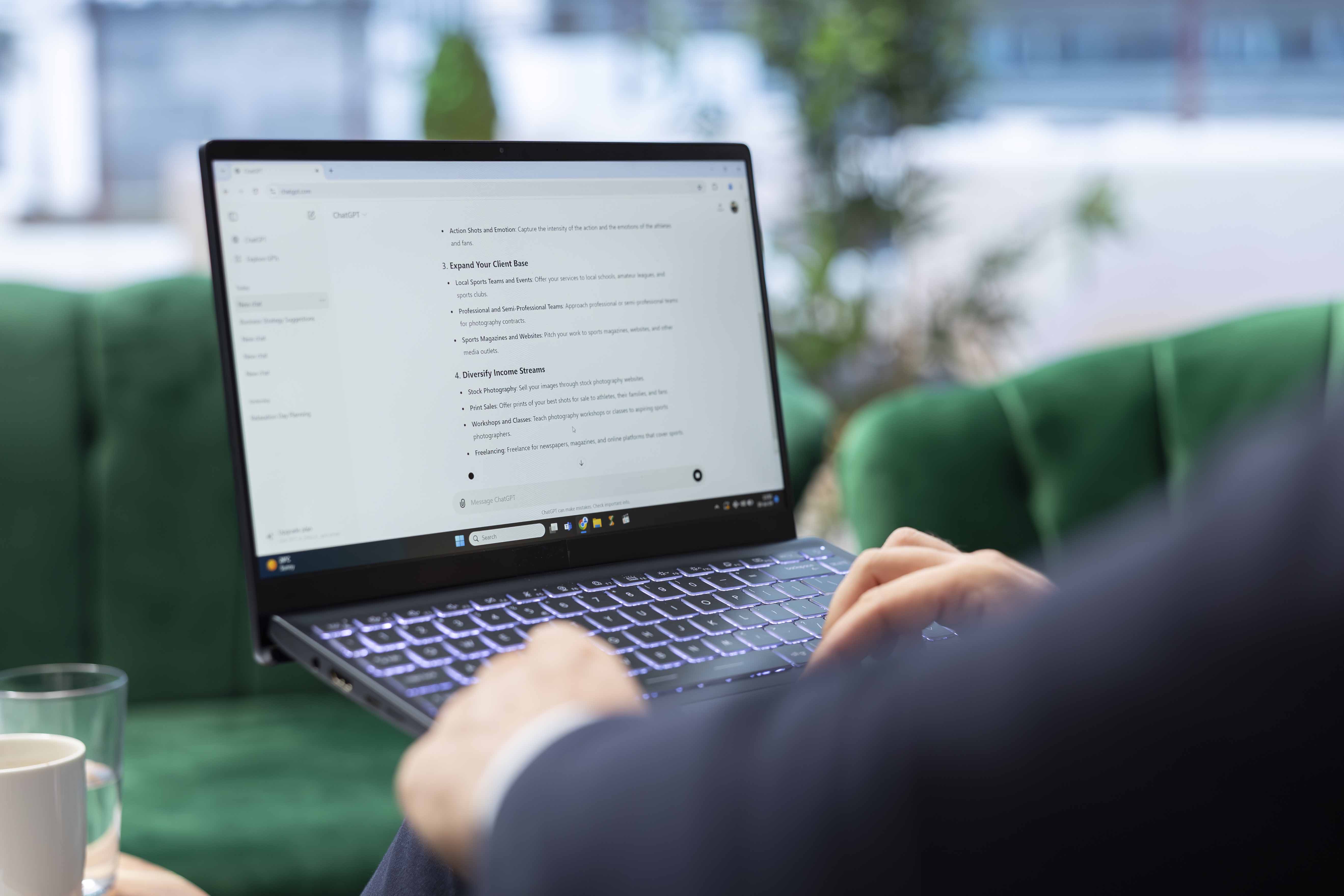
Anyone who has worked in creative services knows the pain of a vague brief. You spend more time guessing what the client actually wants than making the work itself. Misaligned expectations lead to endless revisions, frustrated clients, and projects that drag on far longer than they should. ChatGPT will not write the brief for you. But it will help you structure, refine, and sharpen the brief process in a way that significantly reduces the chance of a project going sideways from the start.
Why Most Briefs Fail Before the Work Begins
A brief fails when it captures what the client asked for but not what they actually need. There is almost always a gap between a client's stated request and the underlying goal they are trying to achieve. A brand asks for a new logo when what they really need is clearer positioning. A business asks for a video when the real problem is their audience does not understand their offer. Good briefs dig into that gap. Most do not because extracting it from a client conversation requires asking the right questions in the right order, which takes practice and time that most teams are short on.
"The single biggest problem in communication is the illusion that it has taken place." — George Bernard Shaw
The Prompt Framework That Gets Results
Start by pasting your client call notes or discovery session answers into ChatGPT. Then use a prompt like this: "You are a senior creative strategist. Based on these client notes, identify the underlying business goal, the target audience, the key message, the tone of voice, and the definition of success for this project. Then write a structured creative brief." What you get back will not be perfect, but it will surface angles and questions you might have missed and give you a solid structural foundation to build from. The brief goes from blank page to working draft in minutes.
A Real Example Walk-Through
A client comes to you wanting a brand refresh. They say their current brand feels outdated and does not reflect where the company is today. You take notes in the discovery call. You paste those notes into ChatGPT with the prompt above. The AI might identify that the real goal is not just visual modernisation but repositioning to appeal to a more premium client base. It might flag whether the brand values have actually shifted or just the visual execution. Those are questions worth bringing back to the client before you start designing. That clarity early on prevents three rounds of revisions later.
Tips for Refining the Output
The first brief draft will always need editing. But the editing is much faster than writing from scratch. Focus your attention on sections where the AI has made assumptions rather than drawn directly from the client input. Add specifics. Adjust the tone to match how your studio communicates with clients. Remove anything that sounds generic. The goal is a brief that feels like it was written by your team with deep knowledge of the client, which is exactly what it should sound like after you have done your part.
"Good communication is as stimulating as black coffee, and just as hard to sleep after." — Anne Morrow Lindbergh
A well-written brief is the most underrated document in any creative project. It sets the tone, aligns expectations, reduces scope creep, and gives your team something clear to come back to when decisions get hard. Using ChatGPT to accelerate the process does not make the brief less yours. It just means you spend your time refining and thinking rather than typing. That is exactly the kind of leverage worth having.